Nautical & Maritime Engraving Styles
Maritime motifs carry an unusual amount of meaning per square inch, which makes them a favourite for gifts and commemorations. This family covers compass roses and chart ornament, rope and knot work, anchors, sea life and the deep-water subjects that suit dark, high-contrast treatments. Compass and chart forms pair naturally with engraved coastal maps, and the rope and knot styles double as borders when a design needs a frame that is not simply a rectangle. They read well on both light hardwood and dark coated metal.
Materials these styles are tuned for: leather, metal, tumblers, wood.
6 styles in this family
-
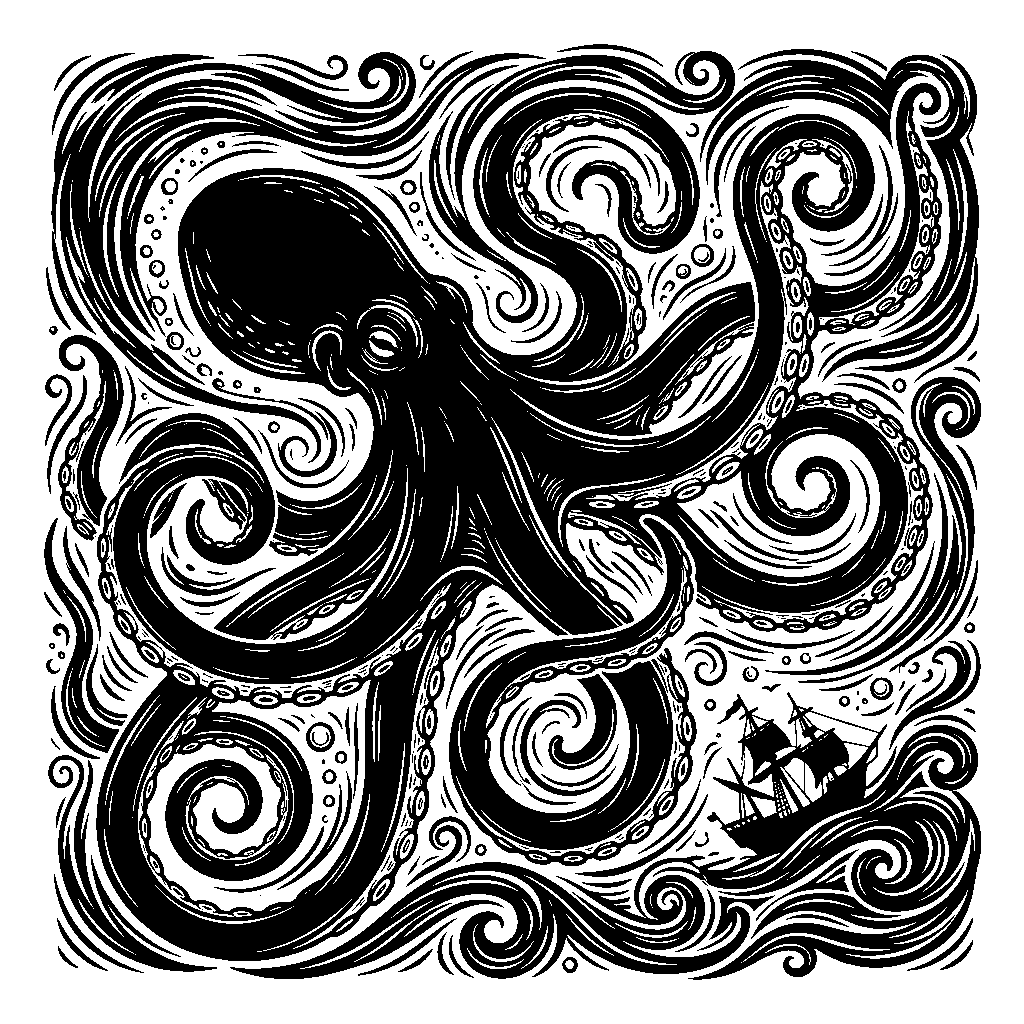 Abyssal Deep
— Deep sea kraken tentacles, shipwreck silhouettes, nautical compass rose, intricate flowing ink lines, high contrast black and white engraving.
Best for metal, wood.
Use this style in The Fabricator
-
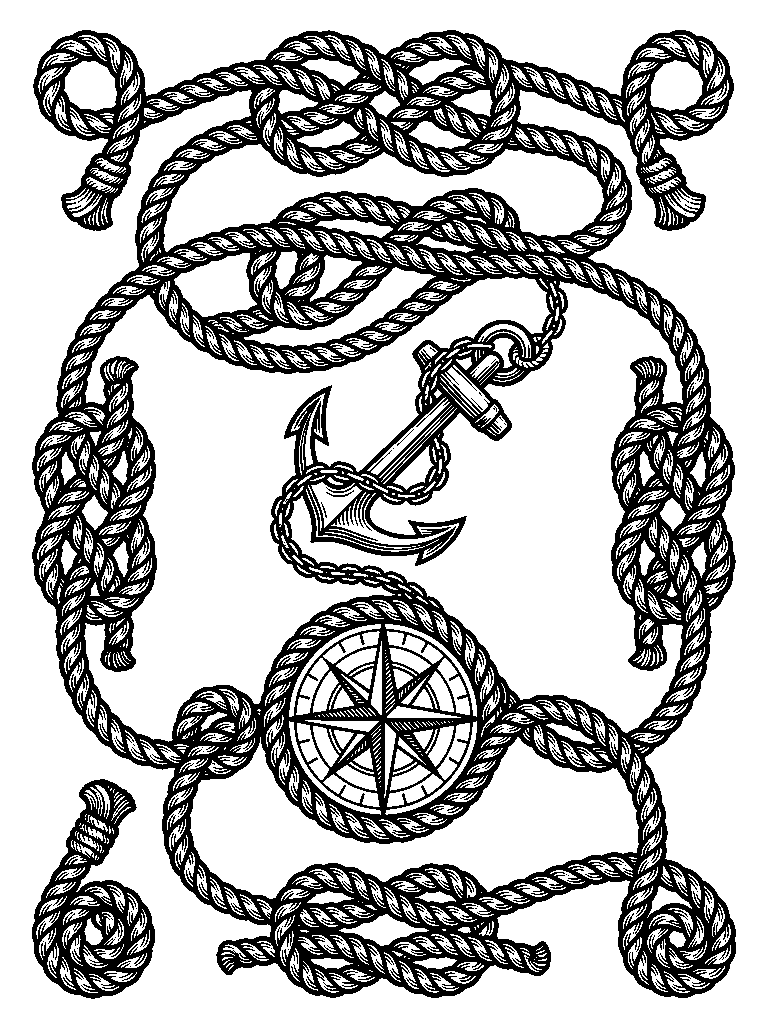 Nautical Rope
— nautical rope knot pattern border, sailor knots and braided rope weave, anchor and compass motifs
Best for wood, leather.
Use this style in The Fabricator
-
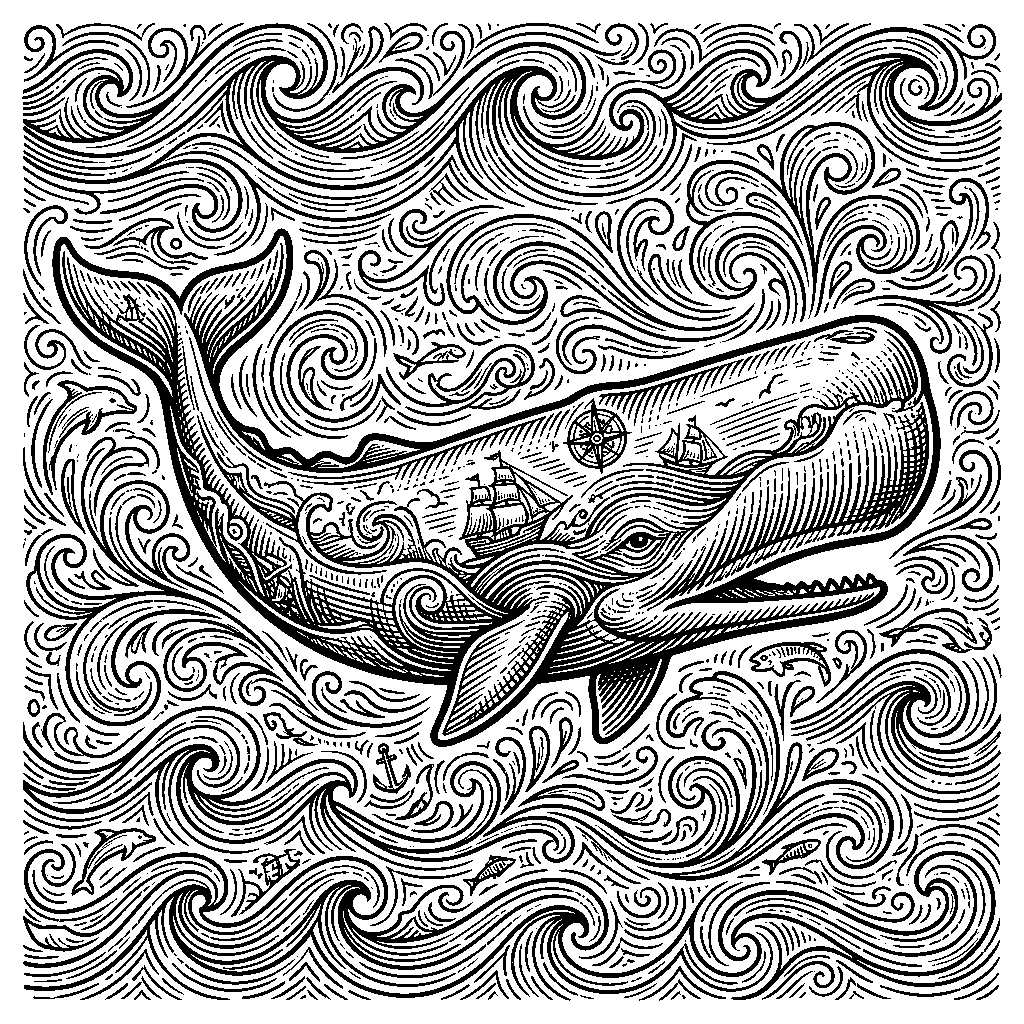 Scrimshaw Whale
— A scrimshaw whale as the centrepiece, worked in crisp parallel hatch-line shading over rolling waves and spray bursts — classic sailor folk-art linework.
Best for metal, leather.
Use this style in The Fabricator
-
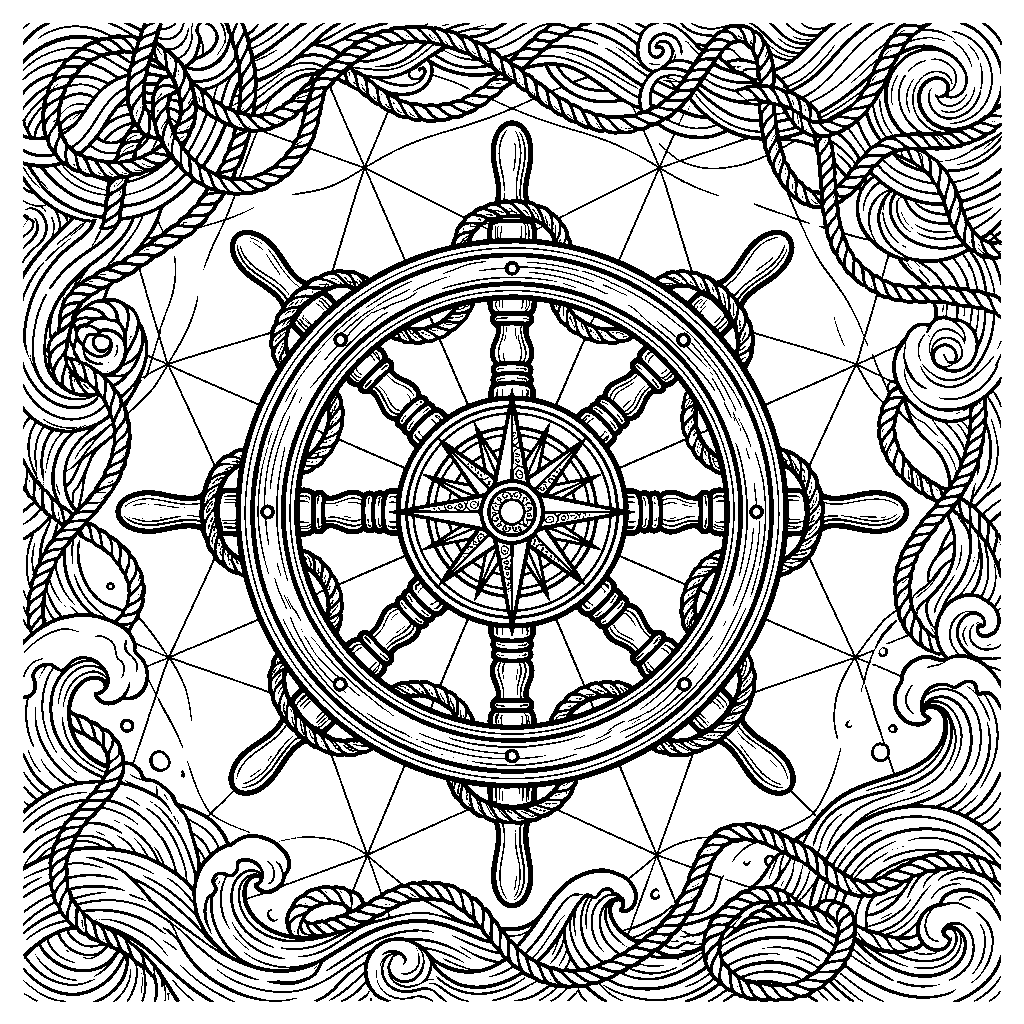 Ship Wheel
— ship helm wheel with rope detail, compass rose, sea chart cartouche border, maritime illustration style
Best for wood.
Use this style in The Fabricator
-
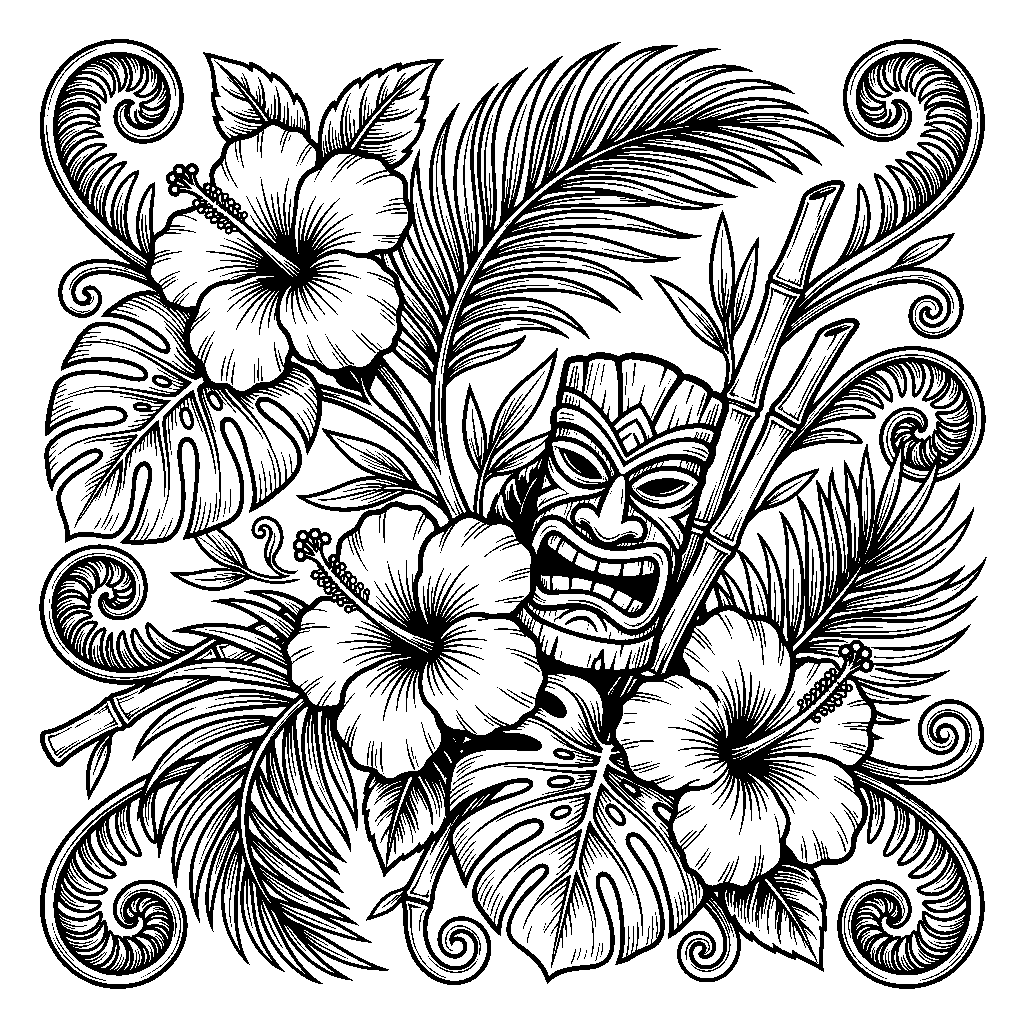 Tropical Tiki
— Hibiscus, monstera, palm fronds, bamboo and a carved tiki mask accent — island woodcut for tumblers and beach work.
Best for tumblers, wood.
Use this style in The Fabricator
-
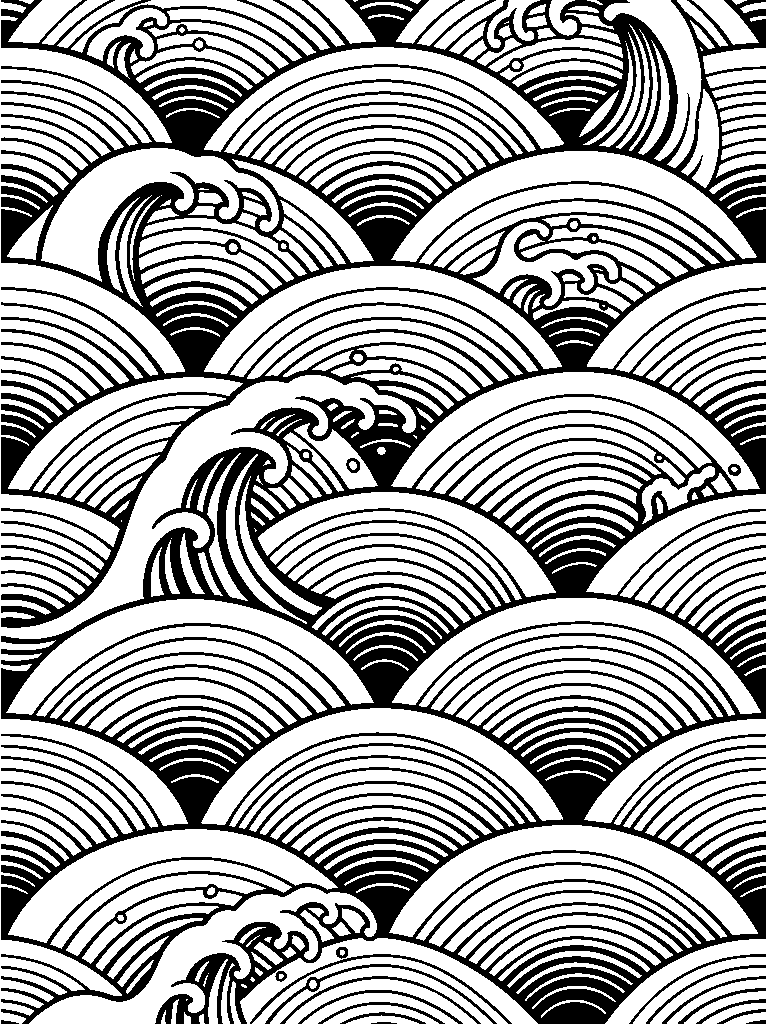 Wave Pattern
— Japanese Seigaiha wave motifs, bold curling ocean wave forms with foam crests, dynamic flowing water movement
Best for wood, metal.
Use this style in The Fabricator
Using the Nautical & Maritime styles
Open the Fabricator, load the outline of the part you are engraving, and choose a style from this family. The pattern is generated to fill your outline rather than pasted over it, so the result fits the part instead of being cropped to it. Run a test on matching scrap before committing a production piece — density that reads perfectly on coated metal can close up on open-grain wood, and the fix is usually speed or an extra pass rather than more power.
Privacy Policy| Terms of Service| Refund Policy| Contact and Support