Floral & Botanical Engraving Styles
Botanical styles fill an awkward shape better than almost anything else, which is why they survive on curved and irregular parts where geometric repeats break down. This family covers rose and vine work, leaf and fern forms, and the botanical-plate illustration style borrowed from nineteenth-century reference books. They are the natural choice for wedding and memorial commissions, cutting boards and anything intended to read as warm rather than technical. Vine forms in particular are worth reaching for when a design needs to flow around a hole, a hinge or a piece of hardware.
Materials these styles are tuned for: ceramic, gifts, glassware, jewelry, leather, metal, signage, tumblers, wood.
12 styles in this family
-
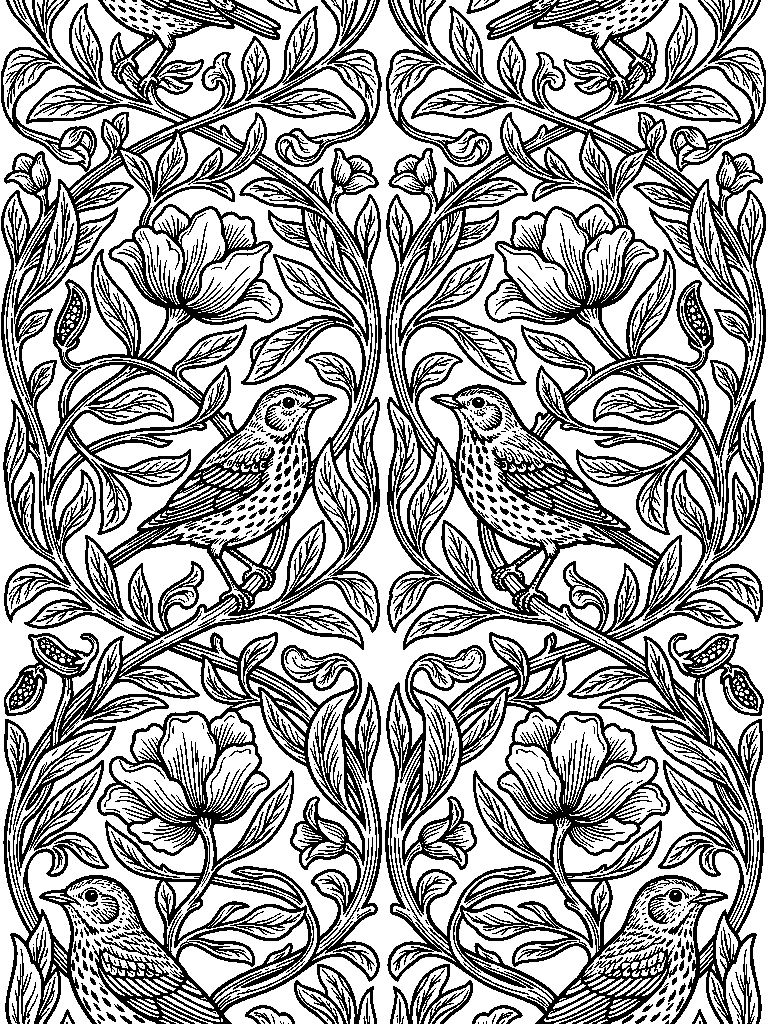 Arts & Crafts Damask
— Dense William Morris-manner botanical damask — curling willow, stylized blooms and song-thrush accents tessellating edge to edge.
Best for wood, leather, tumblers.
Use this style in The Fabricator
Arts & Crafts Damask
— Dense William Morris-manner botanical damask — curling willow, stylized blooms and song-thrush accents tessellating edge to edge.
Best for wood, leather, tumblers.
Use this style in The Fabricator
-
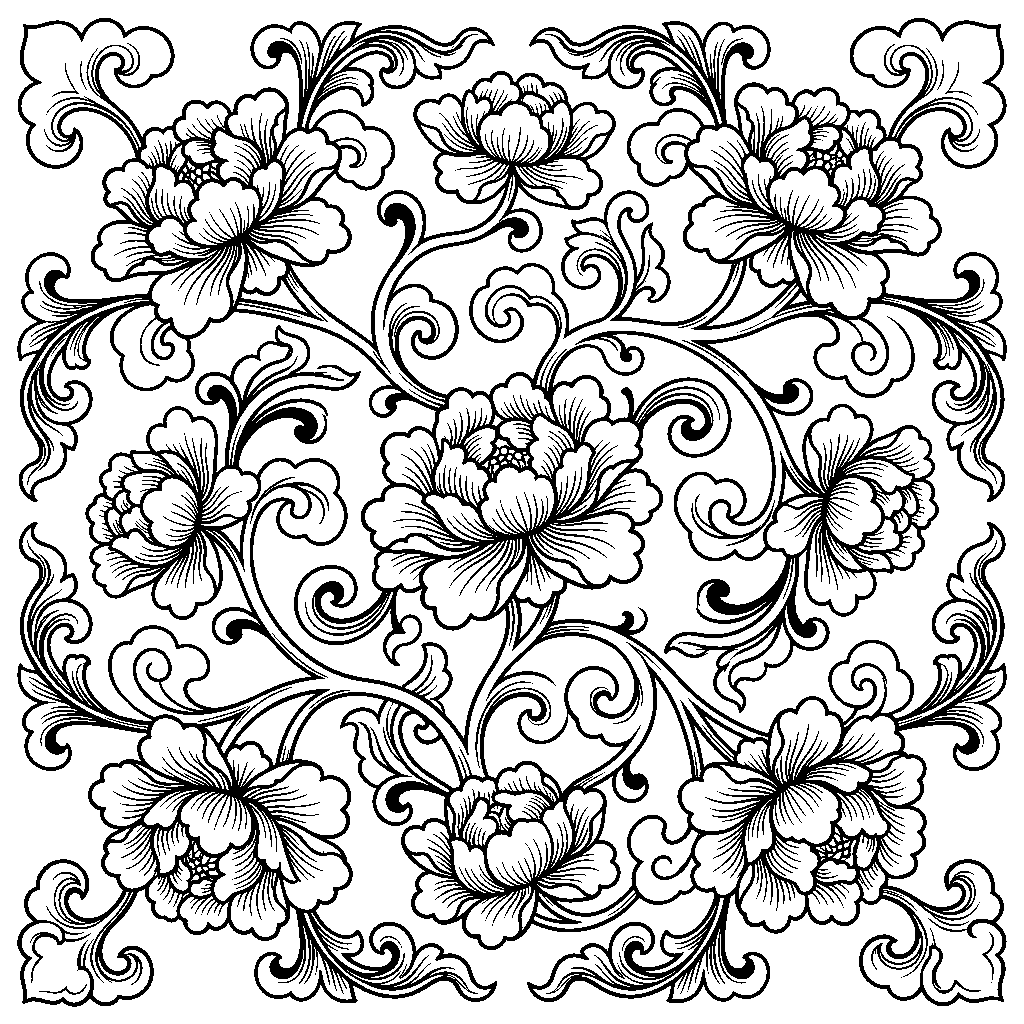 Chinese Cloud & Peony Scroll
— Layered peonies, curling foliage, and auspicious ruyi clouds woven into a graceful continuous scroll.
Best for metal, wood, tumblers, jewelry.
Use this style in The Fabricator
Chinese Cloud & Peony Scroll
— Layered peonies, curling foliage, and auspicious ruyi clouds woven into a graceful continuous scroll.
Best for metal, wood, tumblers, jewelry.
Use this style in The Fabricator
-
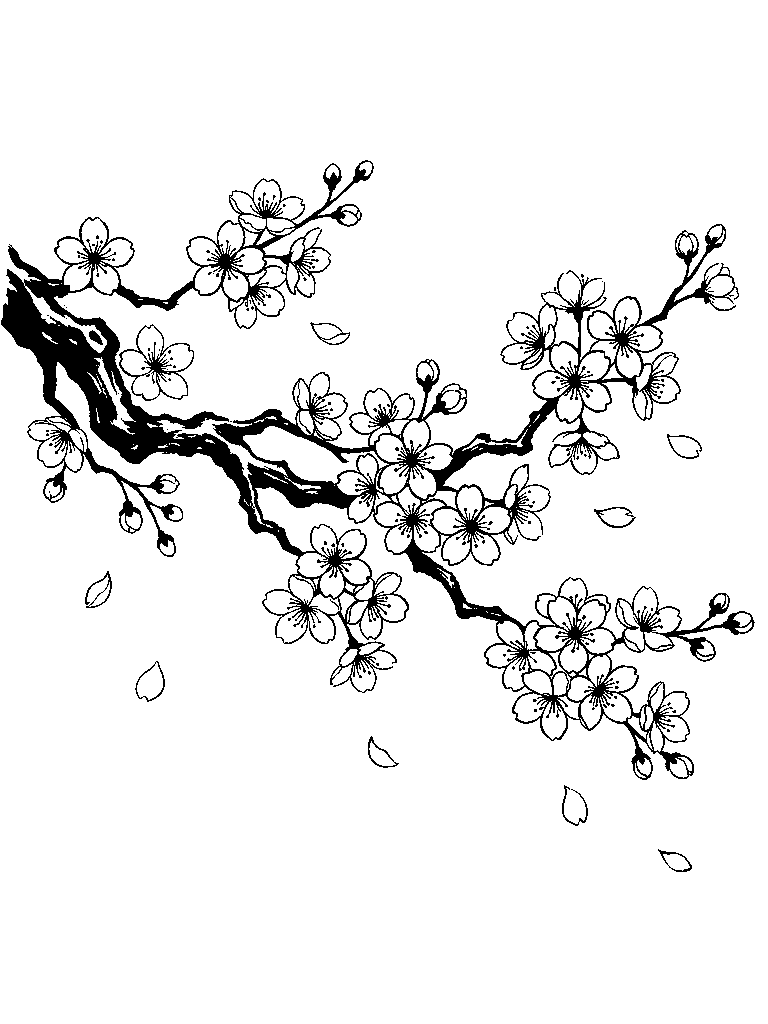 Japanese Cherry Blossom
— Japanese sakura cherry blossom branch, falling petals, elegant minimal composition, ukiyo-e influence
Best for metal, wood.
Use this style in The Fabricator
Japanese Cherry Blossom
— Japanese sakura cherry blossom branch, falling petals, elegant minimal composition, ukiyo-e influence
Best for metal, wood.
Use this style in The Fabricator
-
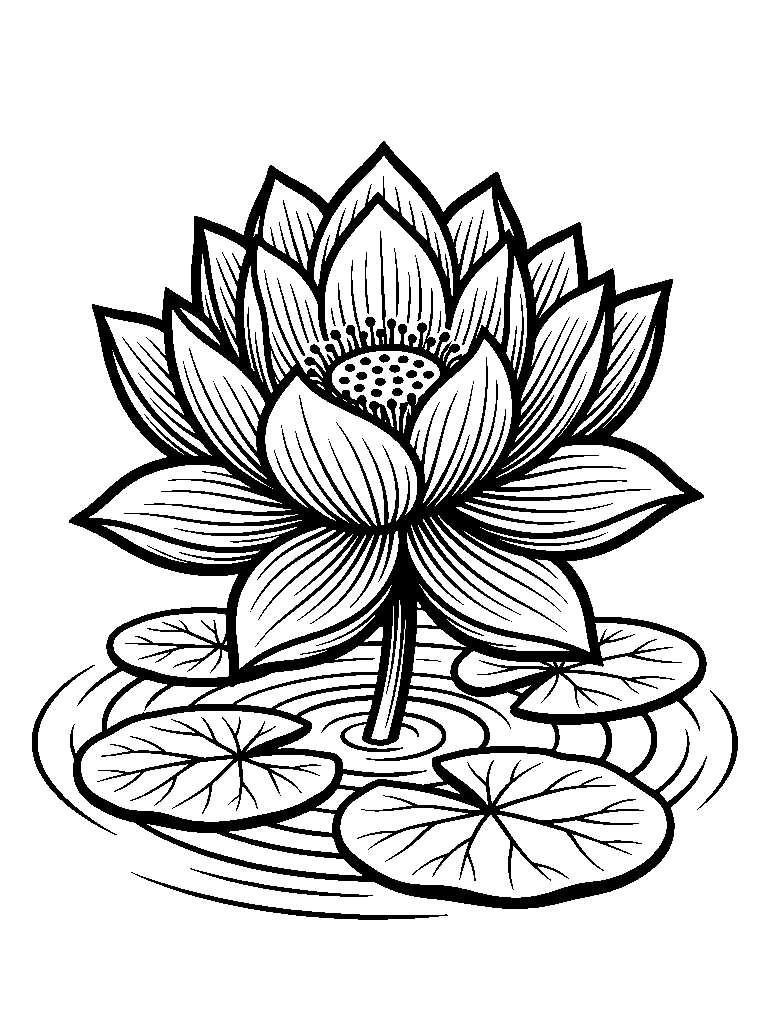 Lotus Flower
— lotus flower in full bloom, layered petals with detailed veining, water lily pads, Zen composition
Best for wood, metal.
Use this style in The Fabricator
Lotus Flower
— lotus flower in full bloom, layered petals with detailed veining, water lily pads, Zen composition
Best for wood, metal.
Use this style in The Fabricator
-
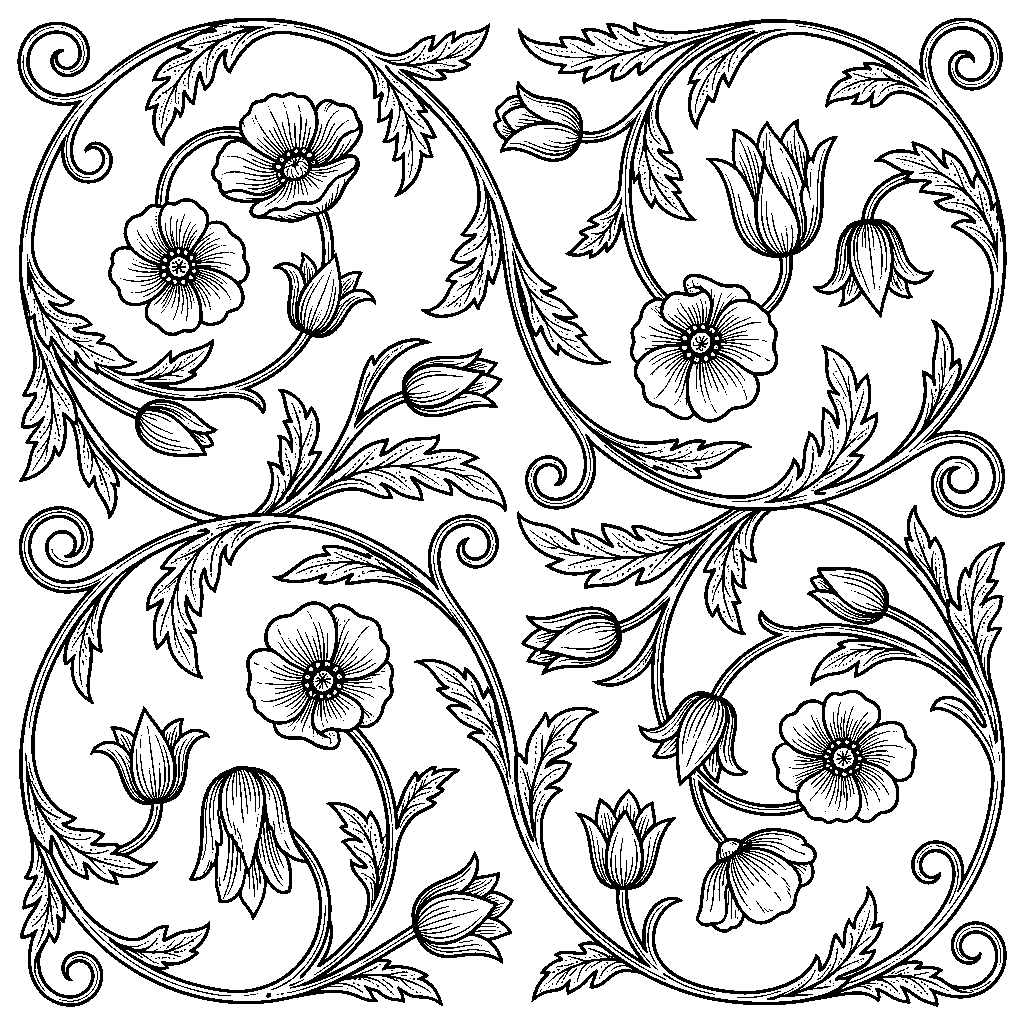 Mughal Floral Scroll
— Refined poppy-like blossoms, tulip buds, serrated leaves, and slender Mughal floral tendrils.
Best for metal, wood, jewelry, tumblers.
Use this style in The Fabricator
Mughal Floral Scroll
— Refined poppy-like blossoms, tulip buds, serrated leaves, and slender Mughal floral tendrils.
Best for metal, wood, jewelry, tumblers.
Use this style in The Fabricator
-
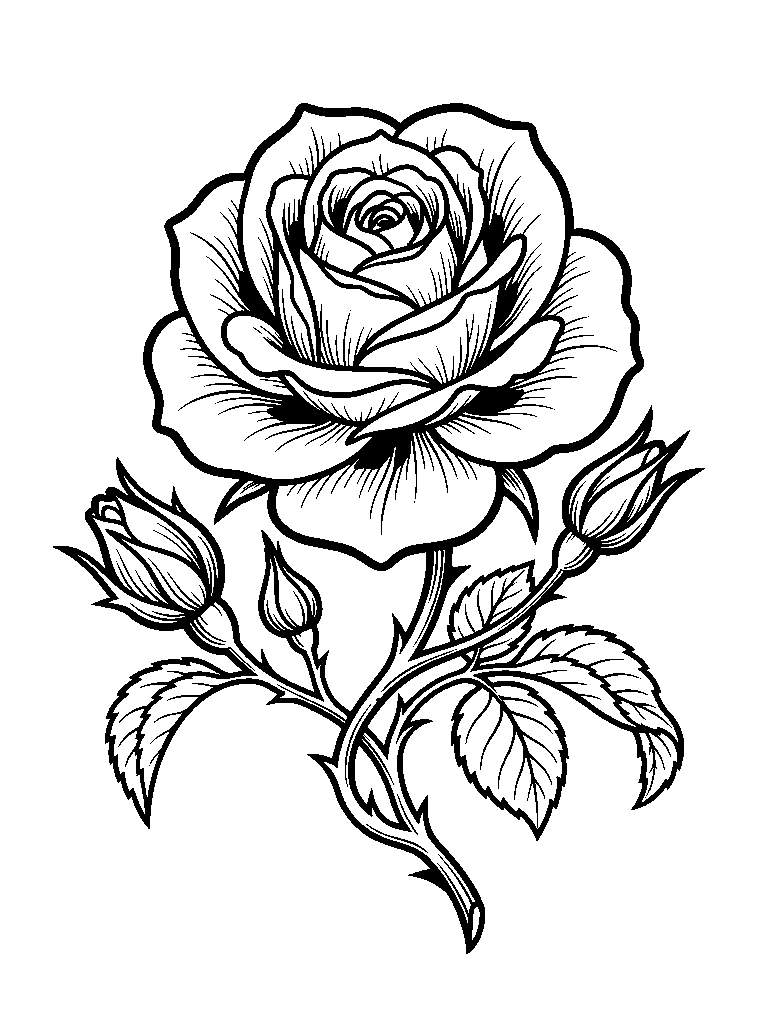 Rose & Thorn
— detailed rose bloom with thorned stems and unfurling leaves, botanical illustration style, clean line art
Best for metal, leather, wood.
Use this style in The Fabricator
Rose & Thorn
— detailed rose bloom with thorned stems and unfurling leaves, botanical illustration style, clean line art
Best for metal, leather, wood.
Use this style in The Fabricator
-
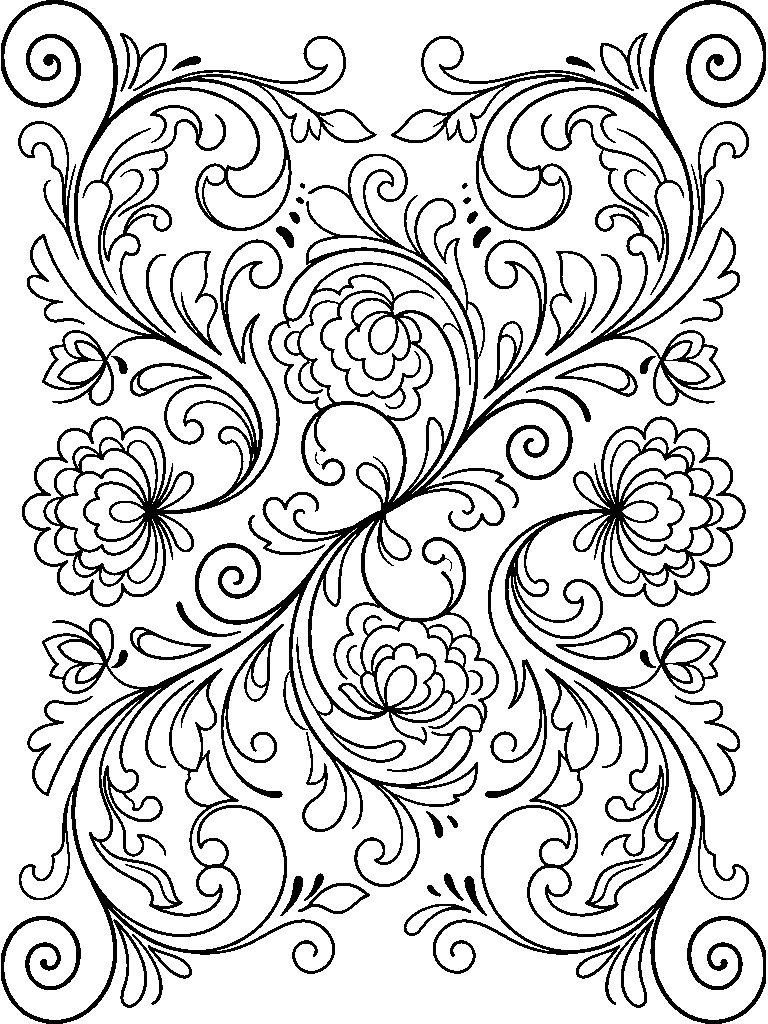 Rosemaling Folk Floral
— Norwegian folk florals - C-stroke scrolls and scalloped blooms
Best for wood, tumblers.
Use this style in The Fabricator
Rosemaling Folk Floral
— Norwegian folk florals - C-stroke scrolls and scalloped blooms
Best for wood, tumblers.
Use this style in The Fabricator
-
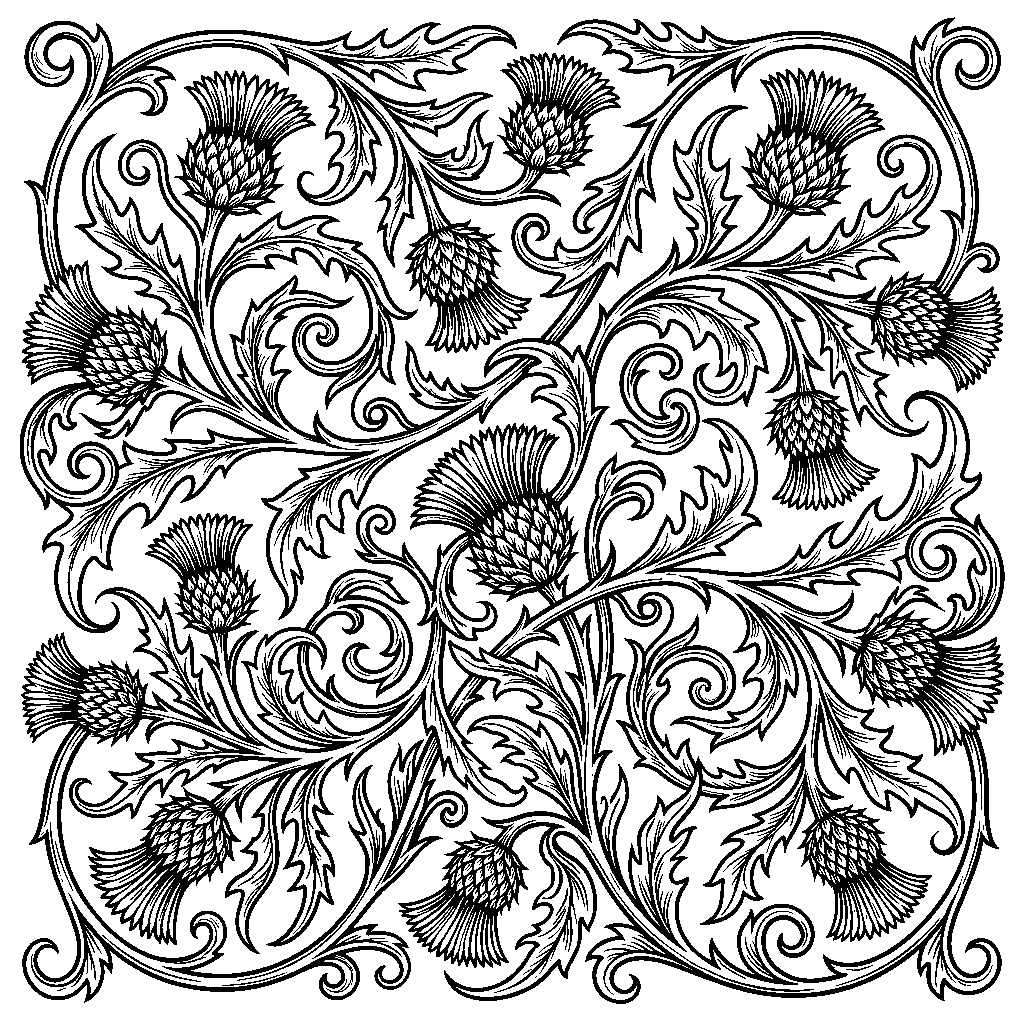 Scottish Thistle Scroll
— Spiny thistle blooms, serrated leaves, and curling tendrils composed as a continuous Highland botanical scroll.
Best for metal, wood, tumblers, leather.
Use this style in The Fabricator
Scottish Thistle Scroll
— Spiny thistle blooms, serrated leaves, and curling tendrils composed as a continuous Highland botanical scroll.
Best for metal, wood, tumblers, leather.
Use this style in The Fabricator
-
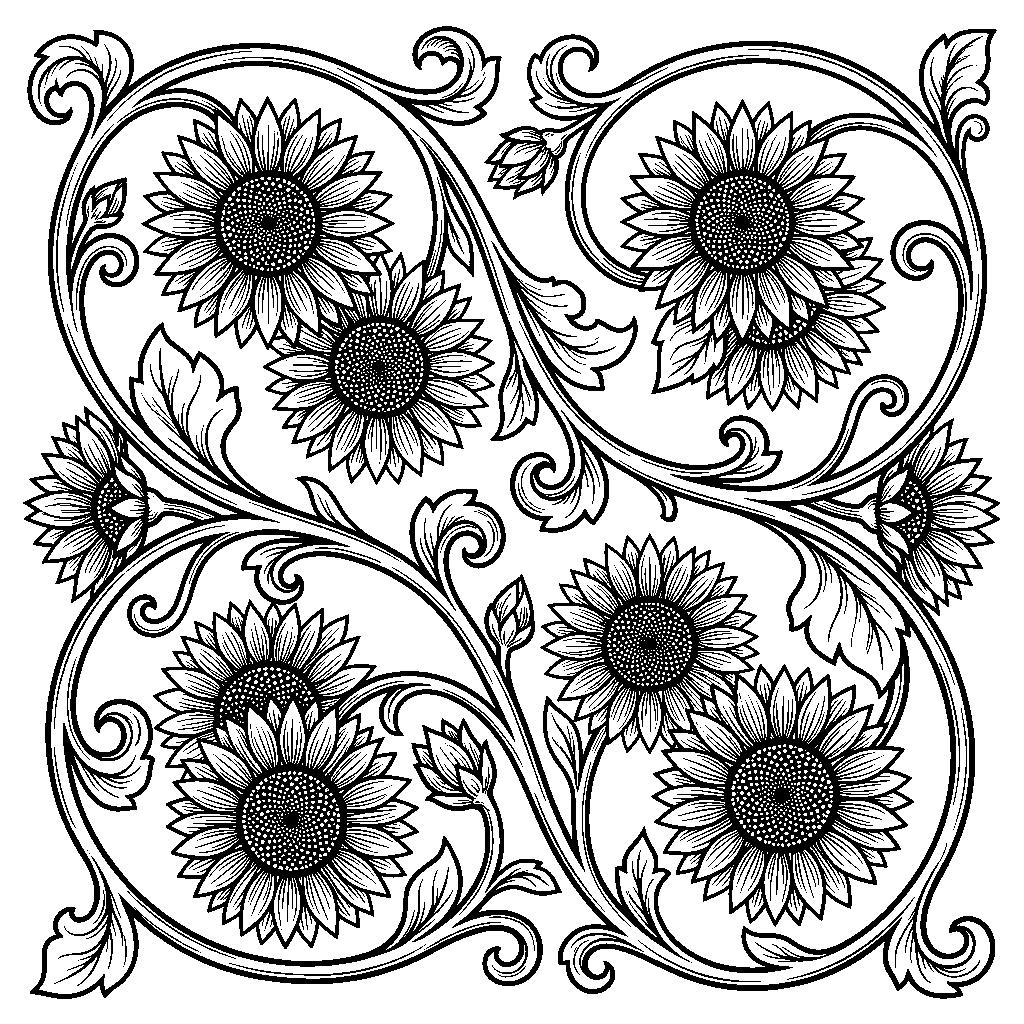 Sunflower Scroll
— Layered sunflower blooms, patterned seed centers, buds, and curling leaves on one flowing vine.
Best for wood, tumblers, signage, gifts.
Use this style in The Fabricator
Sunflower Scroll
— Layered sunflower blooms, patterned seed centers, buds, and curling leaves on one flowing vine.
Best for wood, tumblers, signage, gifts.
Use this style in The Fabricator
-
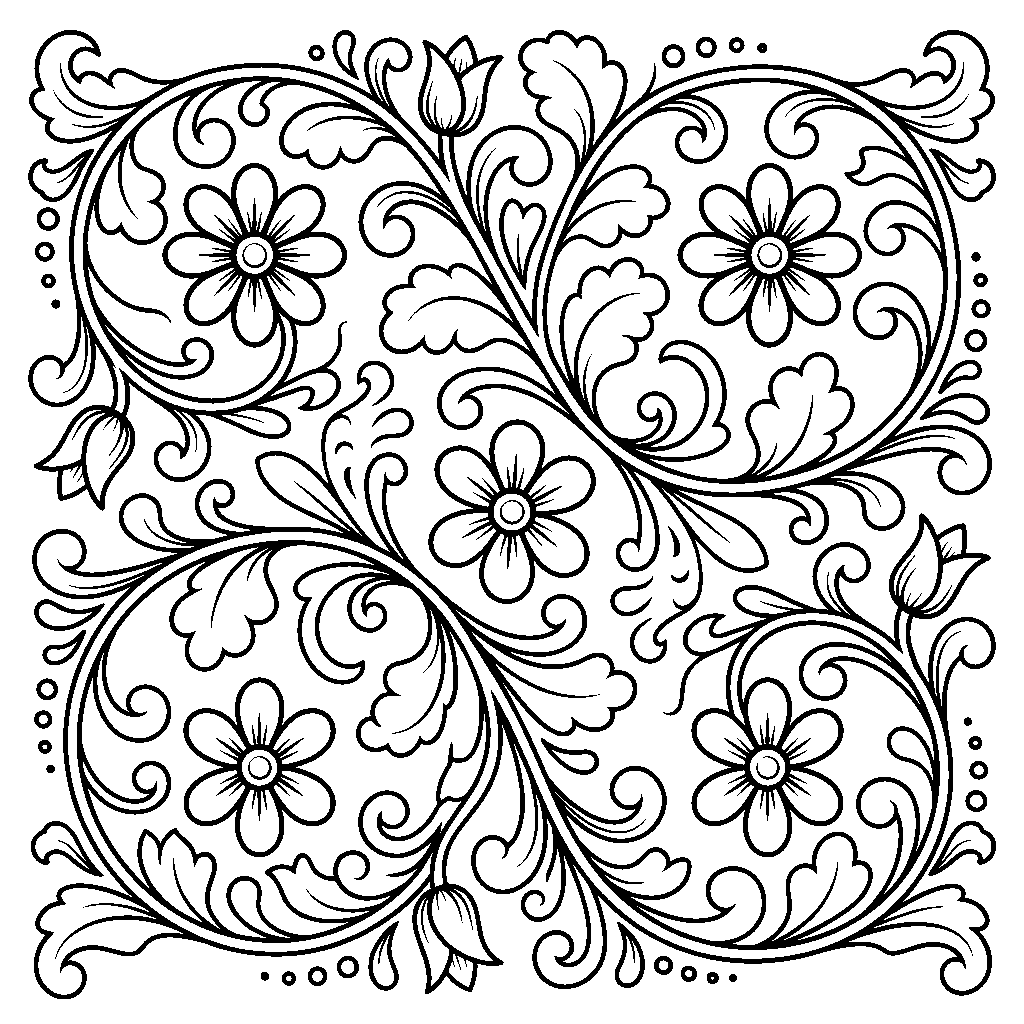 Talavera Folk Scroll
— Bold folk flowers, scalloped leaves, tulip buds, and comma curls composed beyond the square tile.
Best for ceramic, wood, tumblers, signage.
Use this style in The Fabricator
Talavera Folk Scroll
— Bold folk flowers, scalloped leaves, tulip buds, and comma curls composed beyond the square tile.
Best for ceramic, wood, tumblers, signage.
Use this style in The Fabricator
-
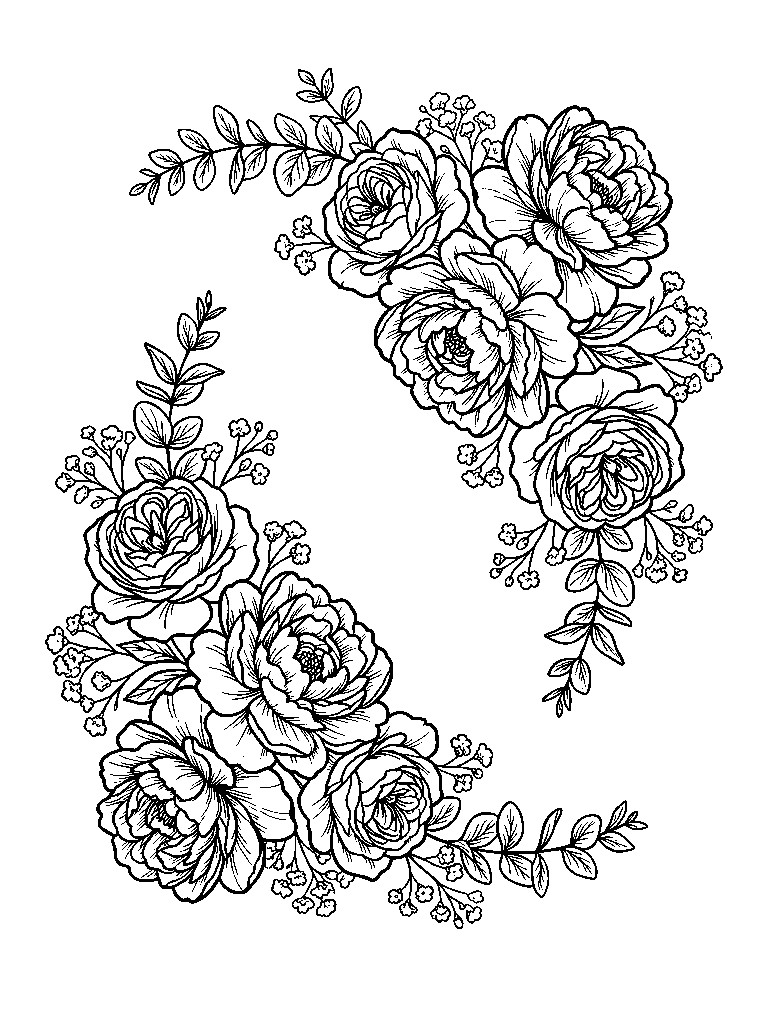 Wedding Florals
— Romantic roses, peonies & eucalyptus sprays — wedding and anniversary gifting
Best for glassware, wood, tumblers.
Use this style in The Fabricator
Wedding Florals
— Romantic roses, peonies & eucalyptus sprays — wedding and anniversary gifting
Best for glassware, wood, tumblers.
Use this style in The Fabricator
-
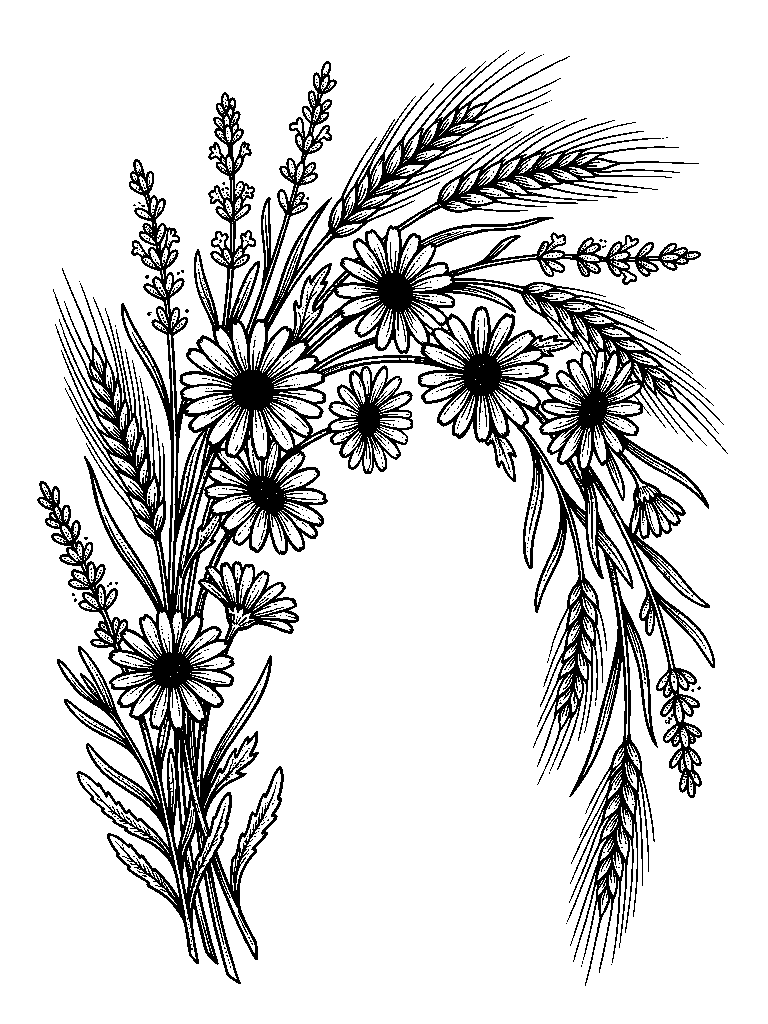 Wildflower Meadow
— wildflower botanical fill, daisies, lavender sprigs, wheat stalks, flowing meadow composition
Best for wood, leather.
Use this style in The Fabricator
Wildflower Meadow
— wildflower botanical fill, daisies, lavender sprigs, wheat stalks, flowing meadow composition
Best for wood, leather.
Use this style in The Fabricator
Using these styles
Open the Fabricator, load the outline of the part you are engraving, and choose a style from this family. The pattern is generated to fill your outline rather than pasted over it, so the result fits the part instead of being cropped to it. Run a test on matching scrap before committing a production piece — density that reads perfectly on coated metal can close up on open-grain wood, and the fix is usually speed or an extra pass rather than more power.
Privacy Policy| Terms of Service| Refund Policy| Contact and Support